

AI Is Changing the Way We Do Business. But Is It Replacing the Human Touch?
AI is becoming part of almost everything we do. It writes emails, answers customer questions, handles routine tasks, and helps businesses work faster. What once required a person can now be done with a few clicks.
But there’s another side to the conversation.
“When businesses focus too much on automation, they risk losing the human connection that makes customers feel valued.”
Customers don’t just want quick answers. They want to feel heard, understood, and confident that someone can help when things go wrong. That’s where human support still matters.
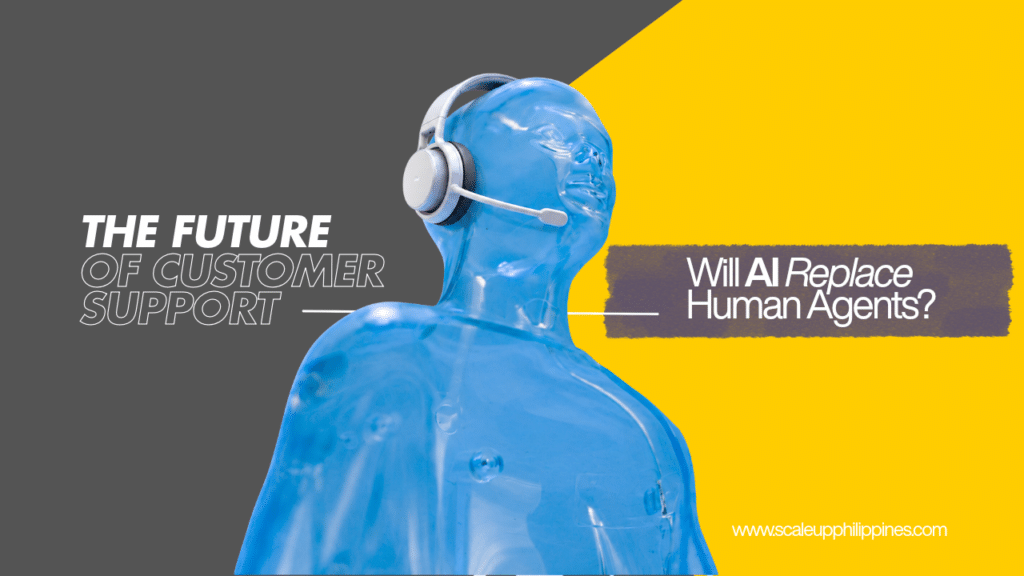
This leads particularly well into Keith Farley’s observation:
“When customers are happy, they usually use digital options. When something goes wrong, they want the human option. You should be there however the customer wants you to contact you.” — Keith Farley, Chief Customer Officer at Aflac.
AI can help businesses respond faster, manage inquiries, and handle repetitive tasks. But automating customer service is not the same as improving it. A quick reply means little if the customer’s problem remains unresolved.
The challenge is not whether businesses should use AI. It’s knowing when technology is enough and when customers need a person to help.
A Fast Response Doesn’t Always Mean a Problem Is Solved
Speed matters, but speed is only one part of good service.
Research from Gartner, based on a survey of 5,728 customers conducted in December 2023, found that only 14% of customer service issues were fully resolved through self-service. Even among issues customers described as very simple, only 36% were fully resolved this way. The findings suggest that giving customers self-service options does not guarantee that their problems will be solved.
A good customer service representative can look into the issue, clarify what happened, explain the next steps, and provide an update within their authority. If another team needs to investigate, they can help direct the concern to the right person.
“A quick reply starts the conversation. A useful response moves it forward.”
AI Works Best When It Has Clear Limits
AI and automation can make customer service more efficient.
Automations are useful when tasks are repetitive and the answers are clear. Problems arise when AI handles situations that require judgment, flexibility, or a personal response. In PwC’s 2025 Customer Experience Survey, 58% of consumers said they were only somewhat comfortable or not comfortable using AI tools to engage with brands. This indicates that some customers remain hesitant about AI-led interactions.
This doesn’t mean businesses should avoid AI. It means they should give customers a clear way to reach a person when automated support cannot resolve their concerns.
“Use automation to make service easier, not to make customers work harder to get help.”
What Businesses Risk Losing When They Rely Too Much on Automation
Without the right balance of technology and human support, businesses risk damaging three important parts of the customer experience.
1. Customer trust
Trust depends on more than fast replies. Customers need clear answers, reliable follow-ups, and confidence that someone will take responsibility when something goes wrong.
PwC’s 2025 survey found that 52% of consumers had stopped using or buying from a brand after a bad experience with its products or services. This figure covers poor experiences broadly, not just customer service, but it shows how much a negative experience can cost a business.
2. Personal connection
Customers have different needs, concerns, and expectations. Human representatives can listen, show empathy, and adjust their responses to the situation rather than relying on the same scripted answer for everyone.
AI can also be designed to communicate in a friendly and empathetic way. It’s how support feels to the customer matters, whether the interaction is handled by AI or a human representative.
3. Effective problem-solving
Not every issue follows a script. Customers may need an explanation, an exception, or help coordinating with another department.
Human representatives can ask follow-up questions, assess unusual situations, and take action within their authority. When they cannot resolve an issue themselves, they can help direct it to the right person and keep the customer informed.
These are not extras in customer service. They are part of making support useful, reliable, and responsive.
The Goal Is Better Service, Not Just More Automation
Businesses do not need to choose between technology and people. They need to use both where they work best. It should support employees, not prevent customers from reaching someone who can understand their concerns, make decisions, and take responsibility when something goes wrong.
The goal is to use technology where it helps and human support where it matters.
According to Jane Fraser, CEO of Citi:
“I think empathy is important. It’s by far the most effective way to win business with a client.”
She also said:
“The bank with a brain is table stakes, but having a human bank is very important.”
This means technology and intelligence are important, but relationships and empathy still matter in building customer trust. These remarks came from her interview with McKinsey.
Businesses don’t have to choose between AI and human support, they need to know when to use each. Let AI handle repetitive tasks and give people the time and tools to focus on what matters most which is helping customers.
Because the goal isn’t to automate every interaction. It’s to make every customer interaction better.
Need Help in Customer Service?
At Scale Up Philippines, we connect businesses with Filipino remote professionals who can help manage customer inquiries, maintain communication, and support daily operations.
Schedule a Free Consultation with Scale Up Philippines to explore your customer service support options.